[comment]: # (mdslides presentation.md --include media) [comment]: # (The list of themes is at https://revealjs.com/themes/) [comment]: # (The list of code themes is at https://highlightjs.org/) [comment]: # (markdown: { smartypants: true }) <style type="text/css"> .reveal { font-size: 2.2em; } .reveal .code-wrapper code { white-space: pre; font-size: 2em; line-height: 1.2em; } </style> Microservices23 # Microservices - Event driven architectures By Alon Itach
## Motivation Imagine the recommendation service utilizes an ML model. 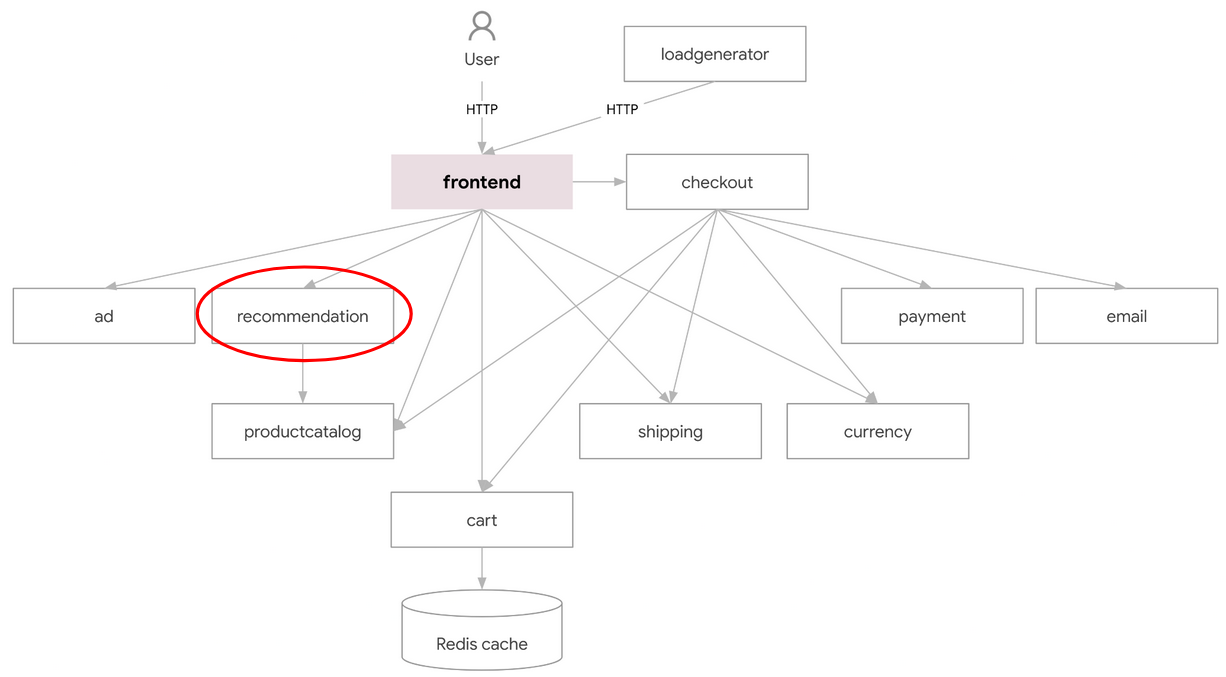
## Motivation This service takes in customer **events** (such as adding a product to the cart or visiting a product page) and, using the information from the current and past events, the model deduces which products to suggest. 
## Motivation How to implement it? Specifically, how to address the communication between the frontend and the recommendation services? 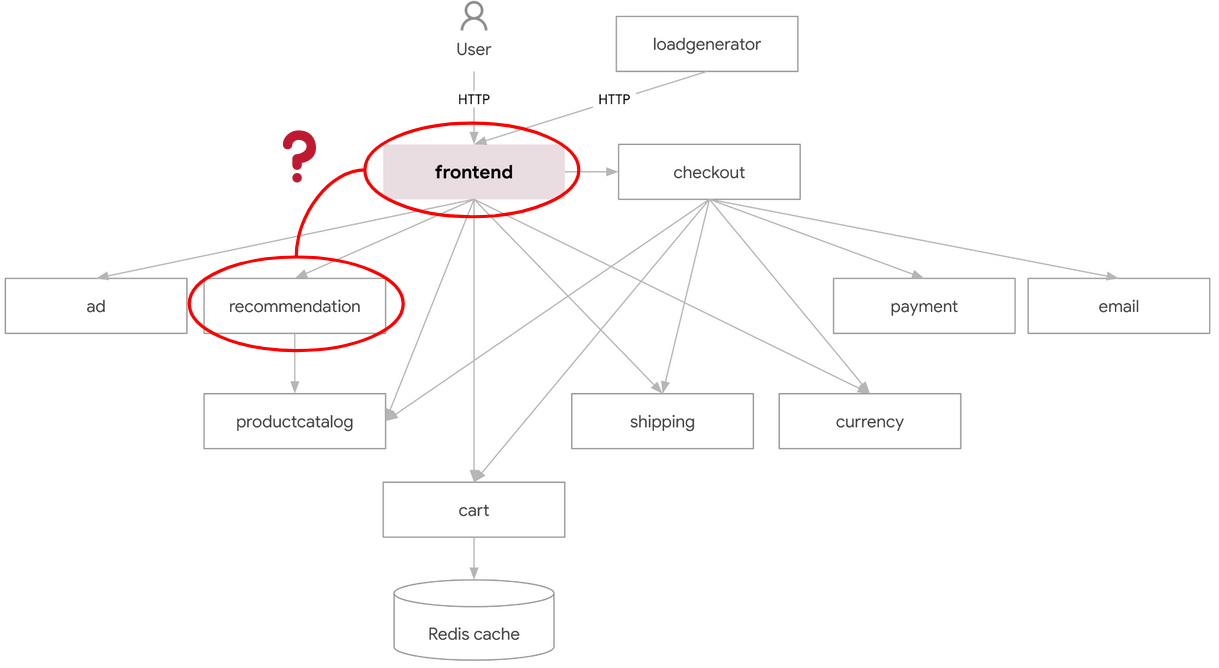
## Motivation The naive approach has **synchronous** nature The frontend service initiates an HTTP request with the event details. The recommendation service responds with the predicted recommendation. However, it has some disadvantages in terms of **scalability** and **failure tolerance**.
## Motivation Here **Message Brokers** (a.k.a queuing systems) come in
## Message brokers introduced The frontend service **produces** an event (a.k.a. message, or job) to a **queue**, and **returns immediately** 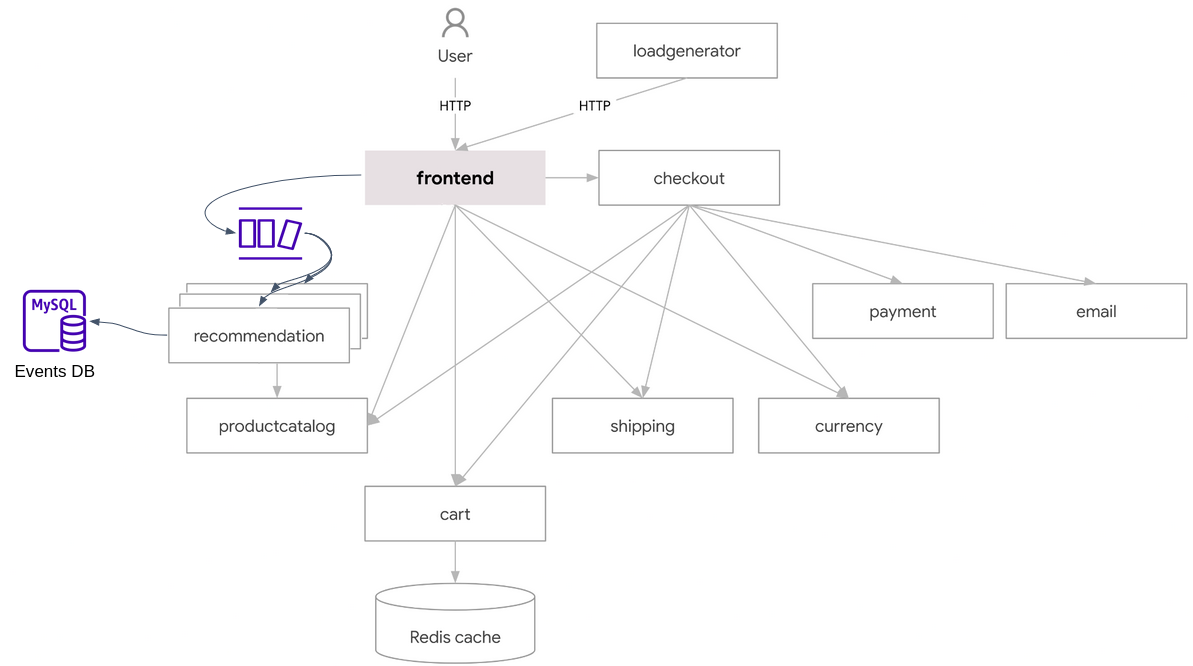
## Message brokers introduced The recommendation service **consumes** an event from the queue, writes it to an Events Database, and process the ML job. 
## Message brokers introduced This model is called **producers/consumer** The frontend service(s) are known as producers, as they produce job to the queue. The recommendation service(s) are known as a **consumers**, as they consume and process jobs, empties the queue. 
## Message brokers introduced This **asynchronous architecture** decouples the communication between the two microservice, allowing the frontend service to respond quickly to user requests without waiting for the recommendation service to process jobs.  If the job is failed, messages in the queue are not getting lost. The messages will remain in the queue until they are successfully processed by some recommendation "worker".
## Message brokers How can the frontend service get the results of the processed jobs done by the recommendation service? 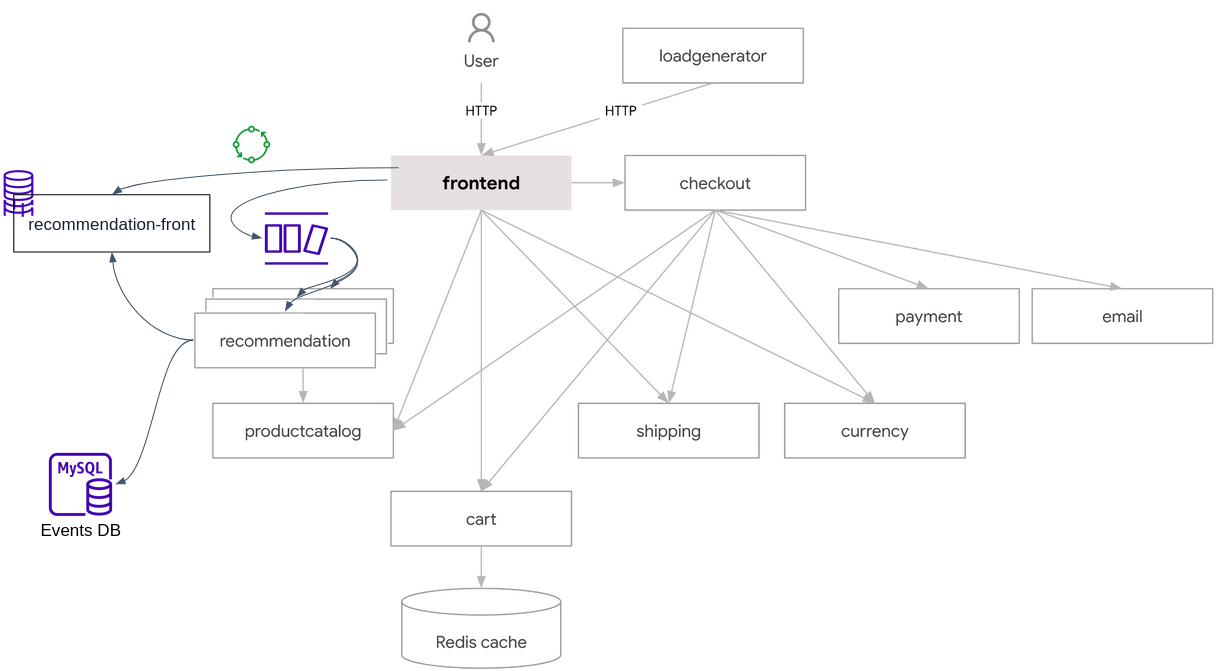
## Message brokers The frontend can periodically try to fetch the results for a given client-id, or retrieve results as part of the next client request. 
## Event sourcing Usually, services store the "current state" of an entity on a database table <br> **Event Sourcing** is a different way of structuring the business logic and persisting. It persists an entity as a **sequence of events** and each event represents a state change of the entity.
## Command Query Responsibility Segregation (CQRS) Motivation: Let's say we want to query a full history of customer's cart content, including info about the product price, and whether the product has been purchased A few problems arise here: - Which microservice is responsible to store the cart history, historical product prices? - The query is complex, as it should join data from the cart service, products catalog service and payment service. We can utilize our Events Queue
## Command Query Responsibility Segregation (CQRS) We create the cart-history microservice, which defines a **view database** - a read-only DB that is designed to support that query 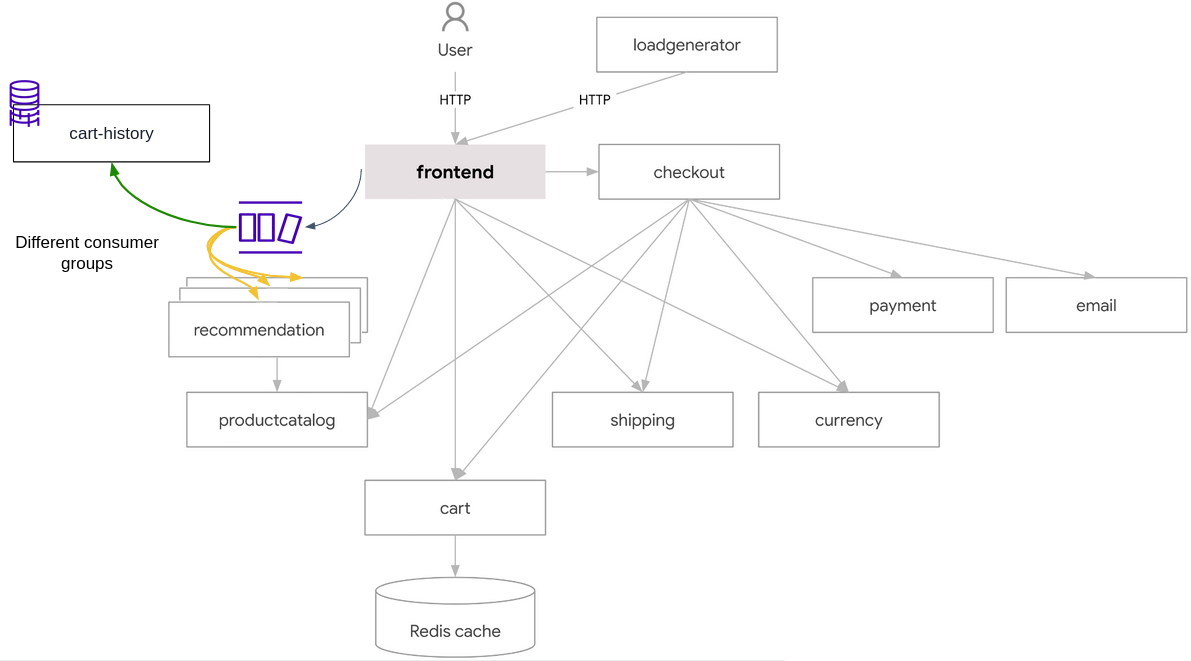
## Command Query Responsibility Segregation (CQRS) This pattern is known as CQRS. 
## Command Query Responsibility Segregation (CQRS) The service consumes messages from the same event queue as the recommendation worker do, but as part of a different **consumer group**. Consumer group is a set of consumers that cooperate to consume messages from a queue. Each message in a queue is delivered to **one** consumer within a consumer group. 
## Command Query Responsibility Segregation (CQRS) Please be aware that the cart-history service may exhibit latency in reflecting the most up-to-date state. This kind of consistency is known as **Eventual Consistency**, as opposed of **Stringly Consistent**. 
## Message brokers - topics Let's introduce **Topics**
## Motivation Assume the recommendation-frontend service is overloaded by dummy requests from the frontend while it waits for some job to be completed 
## Message brokers - topics When the recommendation-frontend service receive a completed job, it **publishes** a message to an **topic**. 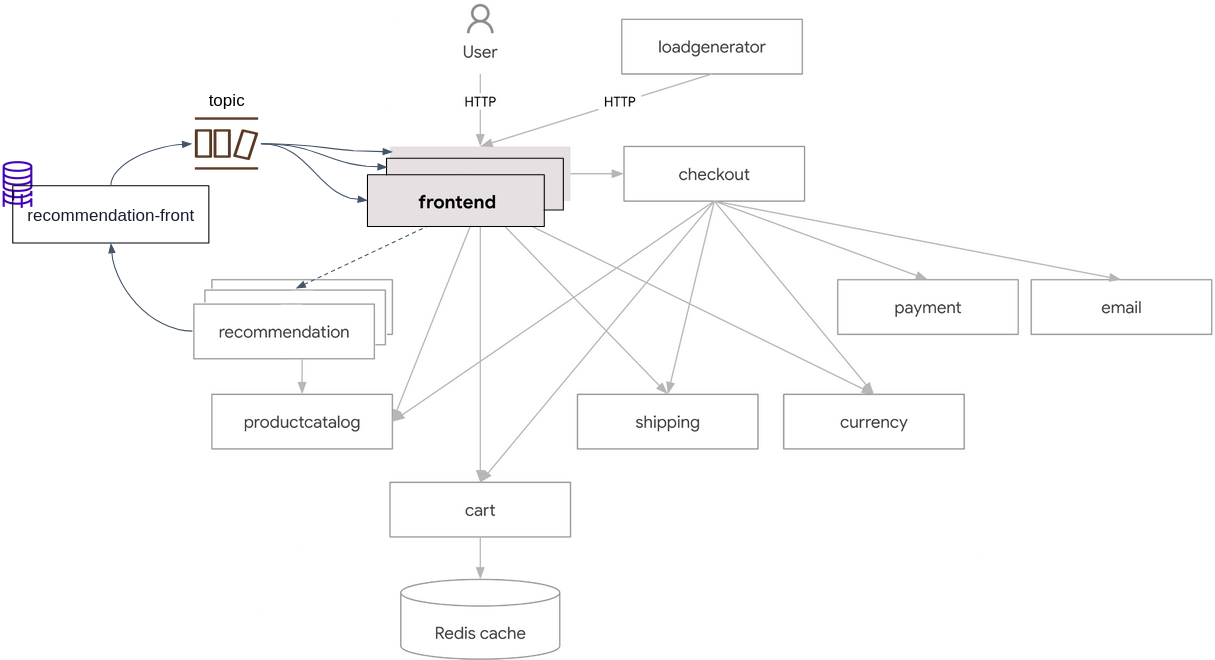
## Message brokers - topics Each frontend instance **subscribes** to this topic during its launch. This subscription enables frontend instances to receive notifications when jobs are completed. 
## Message brokers - topics This communication pattern is called **pub/sub** 
## Message brokers - topics The front end service caches results **locally**. 
## Kafka message broker in a nutshell Kafka is a distributed messaging system providing fast, highly scalable and redundant messaging through a pub-sub and producer-consumer model. 
## Kafka message broker in a nutshell The basic architecture of Kafka is organized around a few key terms: **topics**, **producers**, **consumers**, and **brokers**. <br><br> All Kafka messages are organized into topics. If you wish to send a message you send it to a specific topic and if you wish to read a message you read it from a specific topic. A consumer pulls messages off of a Kafka topic while producers push messages into a Kafka topic. Lastly, Kafka, as a distributed system, runs in a cluster. Each node in the cluster is called a Kafka broker.
## Anatomy of a Kafka Topic Kafka topics are divided into a number of partitions 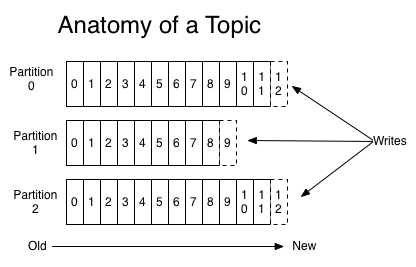
## Anatomy of a Kafka Topic Each partition can be placed on a separate machine to allow for multiple consumers to read from a topic in parallel. 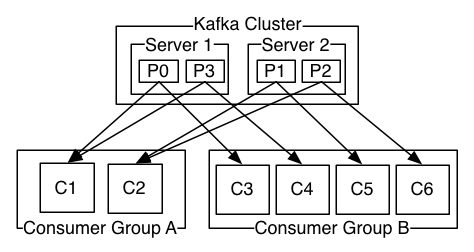
# Thanks References: - https://microservices.io/patterns/data/cqrs.html - https://microservices.io/patterns/data/event-sourcing.html - https://sookocheff.com/post/kafka/kafka-in-a-nutshell/